Reuman Lab
Reuman Lab
We use math, statistics, and computation to understand the dynamics of natural populations and try to improve how people share a changing planet with the rest of life.
Bridging theory, data, applicable work, and applied work.

xsdm: climate variability and species ranges
Species distribution models almost always treat climate as an average. Our new modelling framework shows climatic variability constrains species geographic ranges as much as mean climate does. The associated R package provides extensive inference tools supporing practical application of the new approach.
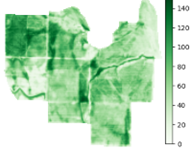
High-resolution crop yield forecasting
We are building machine-learning models that make actionable mid-season yield forecasts at 20-meter resolution. Prototype models already explain more than 70% of out-of-sample yield variation.
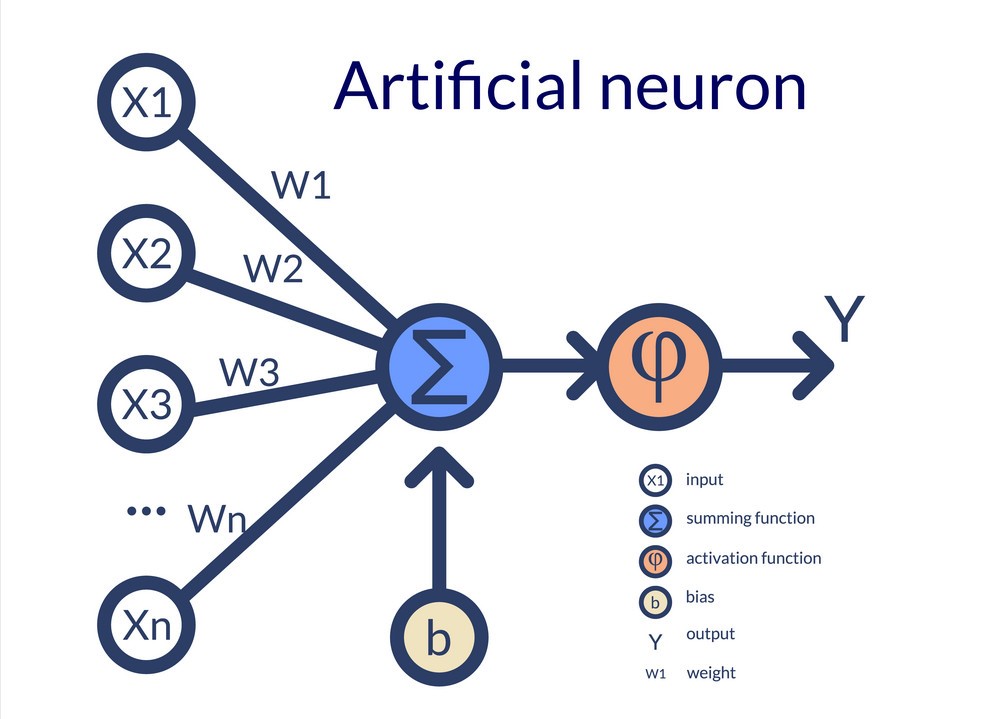
BIOL420/701: Machine learning in biology
An course for graduate students and advanced undergraduates in the biological sciences, introducing the principles and practice of machine learning tailored for applications in biology. Students implement classification and regression trees, neural networks, and other methods in R or Python to solve biological problems. The course builds toward a final project on a problem of the students' choice.
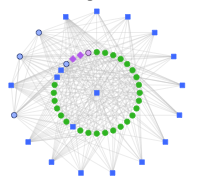
cheddar: food-web visualization software
R package for analysis and visualisation of food-web data developed by former Reuman lab PhD student Lawrence Hudson while he was in the lab. Downloaded >90K times, cited by >100 scientific papers.
tsvr
tsvr: timescale-specific variance ratios for community stability
R package containing tools for timescale decomposition of the classic variance ratio of community ecology.
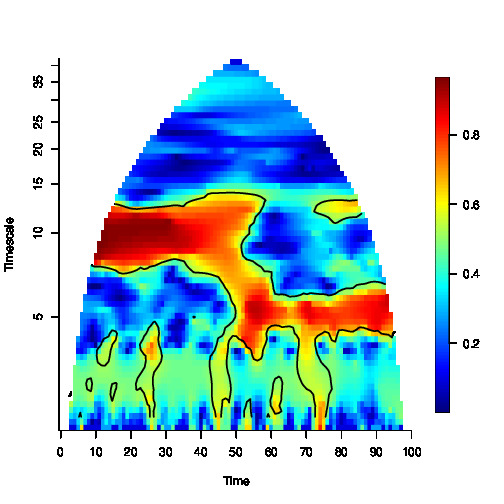
wsyn: wavelet methods for spatial synchrony
R package for implementing wavelet tools for analyzing spatial synchrony, including the wavelet Moran theorem, synchrony attribution theorem, and wavelet linear modelling tools developed in the Reuman lab.
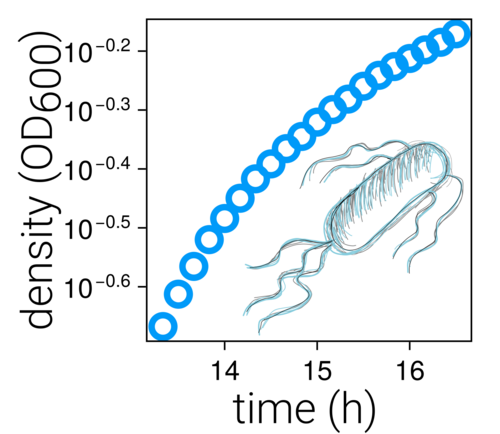
Sublinearity of density dependence
Population growth is primarily inhibited by processes other than resource depletion, leaving a sublinear signature across species.

Collaborative: mechanisms of community stability
Diverse ecosystems tend to be more stable than species-poor ones. Working with collaborators, we study the mechanisms of this relationship and the effects of climate change on them.

Synchrony of marine fish populations
Climate change could amplify weak synchrony in large marine ecosystems. Former lab postdoc Vadim Karatayev studied marine fish populations using empirical dynamic models.
Review: insights into synchrony through long-term data
We advocate strongly for the benefits of long-term ecological monitoring and large ecological datasets. This review highlights developments in studies of synchrony over the past 20 years and how they were enabled by long-term datasets.

Synchrony cascades across system boundaries
Former lab postdoc Jon Walter showed how synchrony can cascade across ecosystem boundaries and up food webs. Former lab postdoc Tom Anderson showed how synchrony cascades from environmental drivers to deer to deer-vehicle collisions.
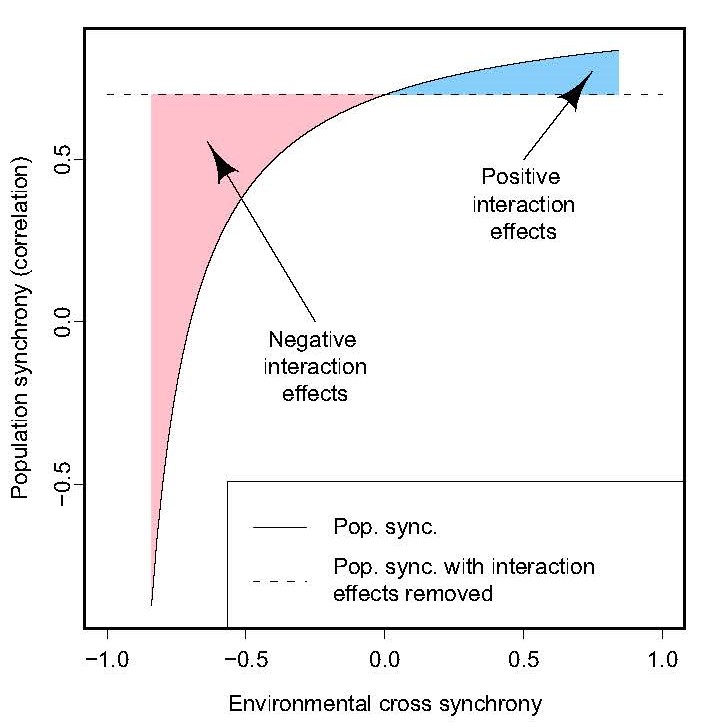
A theory explaining how drivers of spatial synchrony interact
We developed a theory of interaction effects in Moran drivers of spatial synchrony, and tested it in plankton and kelp.
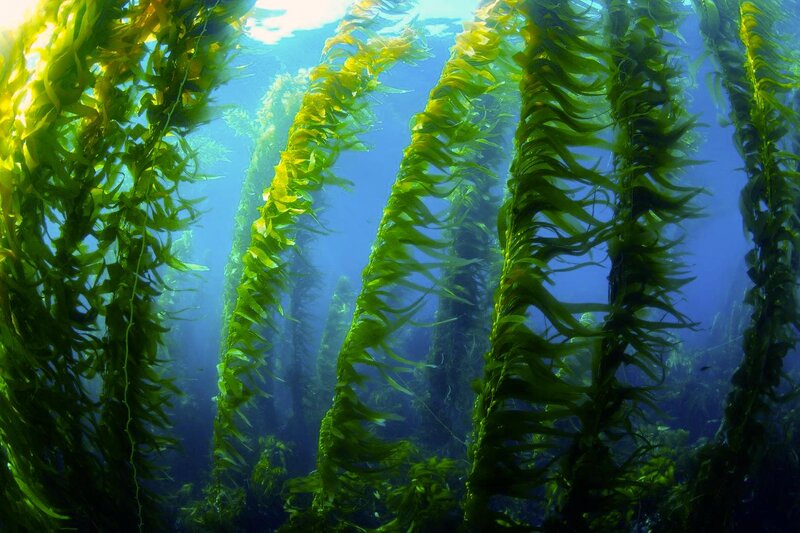
Drivers of synchrony in giant kelp forests
A long-term project studying synchrony in giant kelp across thousands of km of coastline revealed the environmental and dispersive drivers of kelp synchrony.
ucminfcpp
ucminfcpp: a C++ implementation of the ucminf optimizer
R package by Reuman lab postdoc Angel Robles Fernandez. A C++ port of the optimization algorithm in the R package ucminf, built to interoperate faster and more cleanly with xsdm (but has other applications, of course).

BIOL/EVRN414: Principles of ecology
An undergraduate course covering the breadth of ecology — from population dynamics and community structure through biogeochemical cycles and ecosystem function. Co-taught with various instructors over the years.
sobol
sobol: a fast implementation of Sobol sequences
R package by Reuman lab postdoc Angel Robles Fernandez. A fast implementation of Sobol low-discrepancy sequences, built to interoperate cleanly with xsdm for speed (but has other applications, of course).
Daniel Reuman is Professor in the Department of Ecology & Evolutionary Biology and Senior Scientist in the Kansas Biological Survey at the University of Kansas.