Research

xsdm: climate variability and species ranges
Species distribution models almost always treat climate as an average. Our new modelling framework shows climatic variability constrains species geographic ranges as much as mean climate does. The associated R package provides extensive inference tools supporing practical application of the new approach.
High-resolution crop yield forecasting
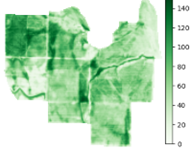
We are building machine-learning models that make actionable mid-season yield forecasts at 20-meter resolution. Prototype models already explain more than 70% of out-of-sample yield variation.
Asymmetric tail associations in ecology
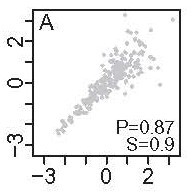
Correlation between variables is more complex than commonly assumed, often including asymmetries which have widespread but seldom appreciated implications across the field of ecology — and which may also have caused the 2008 housing crisis.
Sublinearity of density dependence
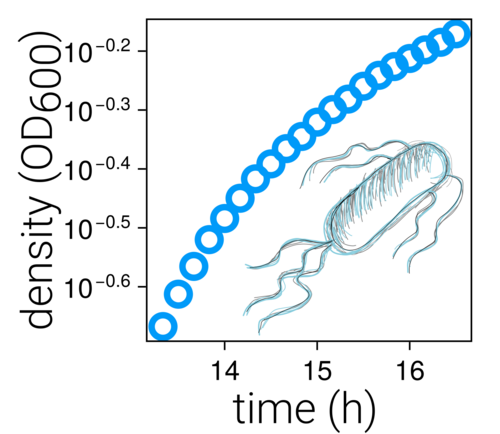
Population growth is primarily inhibited by processes other than resource depletion, leaving a sublinear signature across species.

Collaborative: mechanisms of community stability
Diverse ecosystems tend to be more stable than species-poor ones. Working with collaborators, we study the mechanisms of this relationship and the effects of climate change on them.
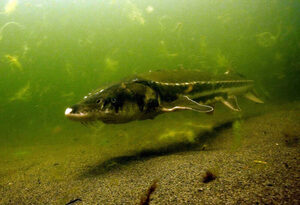
Telemetry and sturgeon movements
We have worked with large telemetry datasets to study the movements of sturgeon and other fish species in California rivers.

Synchrony of marine fish populations
Climate change could amplify weak synchrony in large marine ecosystems. Former lab postdoc Vadim Karatayev studied marine fish populations using empirical dynamic models.
Review: insights into synchrony through long-term data
We advocate strongly for the benefits of long-term ecological monitoring and large ecological datasets. This review highlights developments in studies of synchrony over the past 20 years and how they were enabled by long-term datasets.
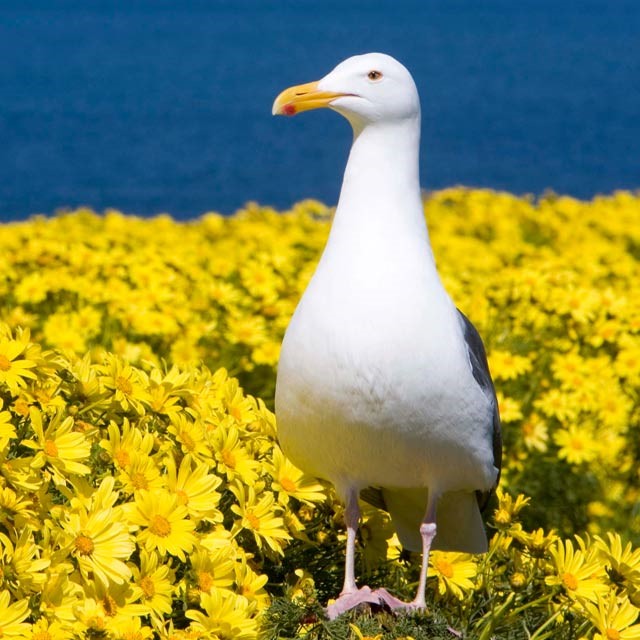
Synchrony cascades across system boundaries
Former lab postdoc Jon Walter showed how synchrony can cascade across ecosystem boundaries and up food webs. Former lab postdoc Tom Anderson showed how synchrony cascades from environmental drivers to deer to deer-vehicle collisions.
causes
Inferences of causes of synchrony
Several of the statistical approaches we have developed have helped improve our capacity to infer the causes of the synchrony of field populations, when adequate data are available.
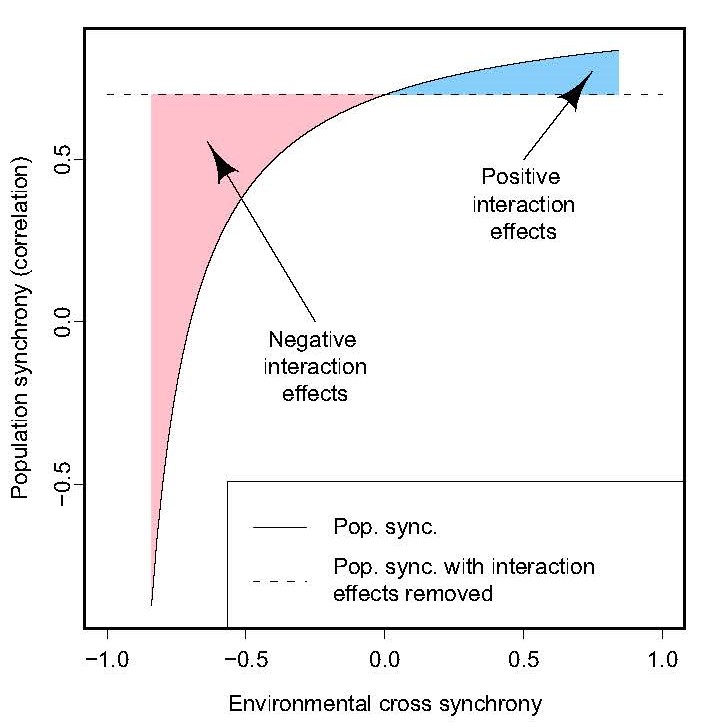
A theory explaining how drivers of spatial synchrony interact
We developed a theory of interaction effects in Moran drivers of spatial synchrony, and tested it in plankton and kelp.
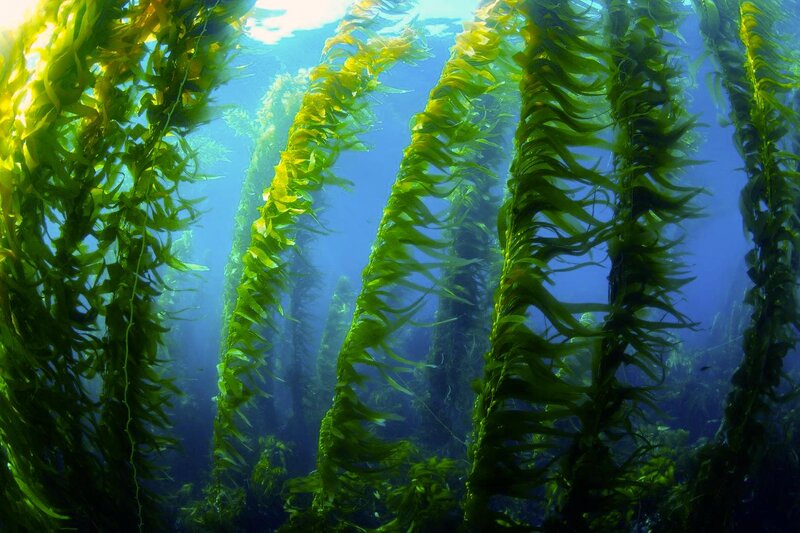
Drivers of synchrony in giant kelp forests
A long-term project studying synchrony in giant kelp across thousands of km of coastline revealed the environmental and dispersive drivers of kelp synchrony.
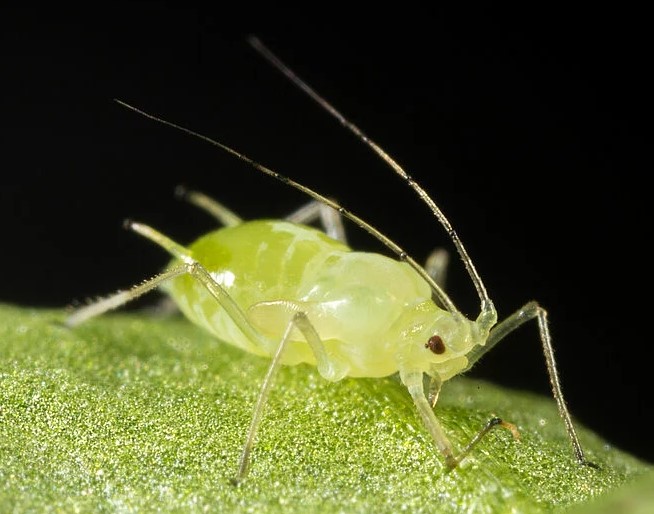
Collaborative: synchrony in pests and disease vectors
With collaborators, we have studied synchrony in mosquitoes and lepidopteran crop pests.
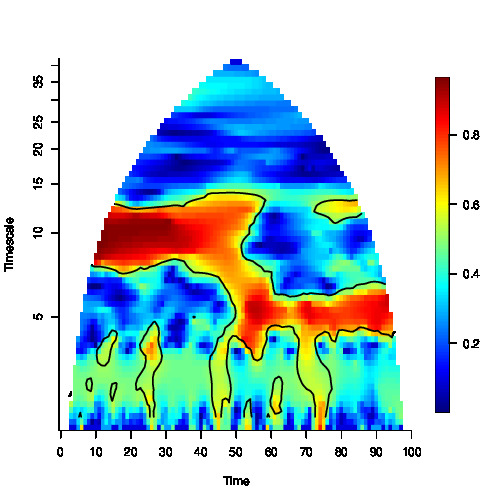
Timescale structure of synchrony
One long-term theme of studies of synchrony in the lab has been the timescale structure of synchrony. Paying attention to timescale structure allows for much improved inferences of causes and understanding of consequences of synchrony.
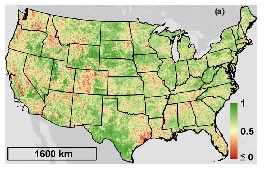
Geography of synchrony
One long-term theme of studies of synchrony in the lab has been its geographic structure. Paying attention to the geography of synchrony allows for much improved inferences of causes and understanding of consequences of synchrony.
climate
Climate change and changes in synchrony
We contributed some of the early work that shows changes in synchrony are another of the major effects of climate change.
cicadas
Synchrony in periodic cicada choruses
Periodic cicadas emerged with a vengeance where we live. So we had to study synchrony in their relentless calls while we had the chance.
warming
Geothermal streams and whole-community effects of warming
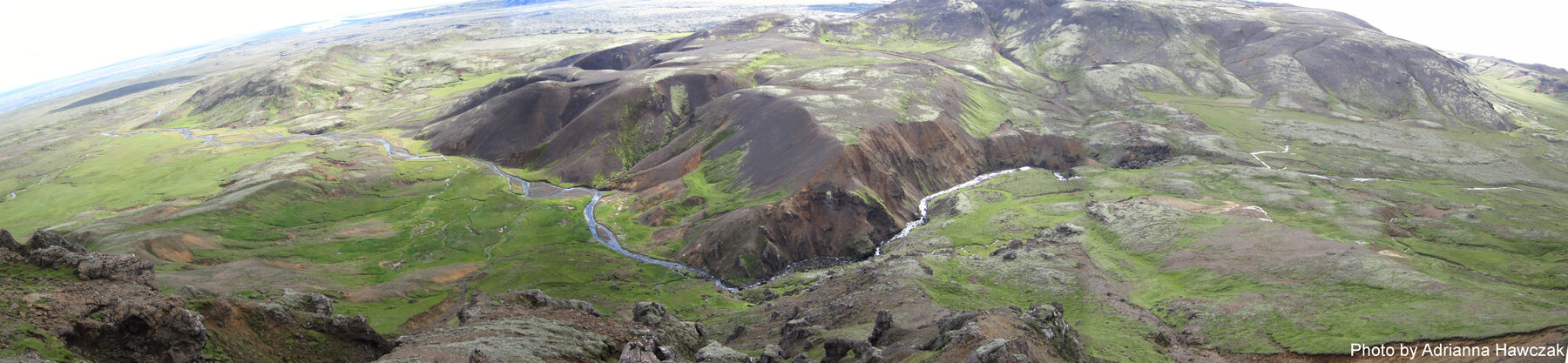
Naturally heated streams in Iceland and pond mesocosms have served as experimental systems for asking how warming reshapes whole ecological communities.
body size
Applications and implications of body-size scaling in communities
Body-size relationships among species scale into community-level patterns, with implications for how we sample, model, and reason about whole ecosystems.
invasive
Invasive species
We have used population-genetic and demographic approaches to study invasive species, including American grey squirrels.
fragmentation
Collaborative: history of habitat fragmentation
With collaborators, we have studied the long-term ecological consequences of historical habitat fragmentation, including the concept of extinction debt.